Trees are great. They give shade on hot days, help clean the air, and make your yard feel like a little slice of nature. But sometimes a tree goes from yard hero to backyard headache. The big question then becomes not if you should cut it down, but when it’s truly the right time. That’s what we’re talking about today.
Think of this as tree decision making 101. By the end, you’ll know when a tree is just being dramatic and when it really is time to bring in the professionals.
When a Tree Is Actually in Trouble
The first thing to know is that trees don’t just fall over for no reason. There are signs that a tree is unhappy, and if you’re paying attention, you can catch trouble early. If a tree has large sections of dead limbs or major cracks in the trunk, those are serious indicators that the tree might not be structurally sound. In some cases, branches may be dying back from the tips inward. This is not just a sad tree story. It’s a clue that the tree is struggling and may collapse during a storm or heavy wind.
Another big sign that it might be time to think about removal is significant lean. Trees naturally lean a bit, especially if they grew in a crowded forest or toward sunlight. But when a tree starts leaning more noticeably, especially after storms, it could indicate root problems or internal decay. If the roots on one side are rotting, the whole tree can become a tipping hazard.
In other cases, you might notice fungus or mushrooms growing near the base. This often looks like harmless growth, but it signals decay inside the root system. That means chunks of structural stability are literally rotting away underground. No tree should be allowed to hang around in that condition.
Diseases, Insects, and Other Tree Villains
Trees deal with their own villains, and sometimes these villains win. Tree diseases like oak wilt, root rot, or cankers can seriously weaken structural integrity. If you notice unusual leaf discoloration, oozing bark, or areas of the trunk that are soft and crumbly, those are red flags. Insects like emerald ash borer or bark beetles can also devastate a tree fast. A tree infested with pests often shows thinning foliage, tiny holes in the bark, or small piles of sawdust near its base.
If a tree gets sick and weakened enough, it might not be salvageable. That time to cut it down isn’t an act of betrayal. It’s an act of safety and landscape care.
Does Location Matter?
Yes. It matters a lot. A tree far from your house, driveway, or power lines can be left to grow or be monitored over time. But if a problematic tree is close to your home, garage, or where your kids play, it changes the risk level. A cracked tree limb landing in the family room is not the kind of surprise anyone wants.
Trees that are too close to structures can also cause indirect problems like cracked foundations, damaged patios, or blocked sunlight that makes lawn care harder. Sometimes the right time to remove a tree is before it starts affecting the rest of your landscape in ways that are harder to reverse.
Seasonal Timing: When It’s Best to Remove a Tree
Just like most things nature related, timing affects how a job goes. The best time to remove a tree is usually in late winter or early spring. That’s when most trees are dormant, and the soil is firm. Working in that season means less stress on surrounding plants and a smaller chance of spreading disease.
If a tree is truly hazardous, such as one that could fall soon, there is no perfect season. Safety needs to come first. Professional tree removal can be done at almost any time of year if the threat is real. Waiting for the right month when a tree might drop on your roof is not a good strategy.
Why Cutting Down a Tree Is Not Always a DIY Job
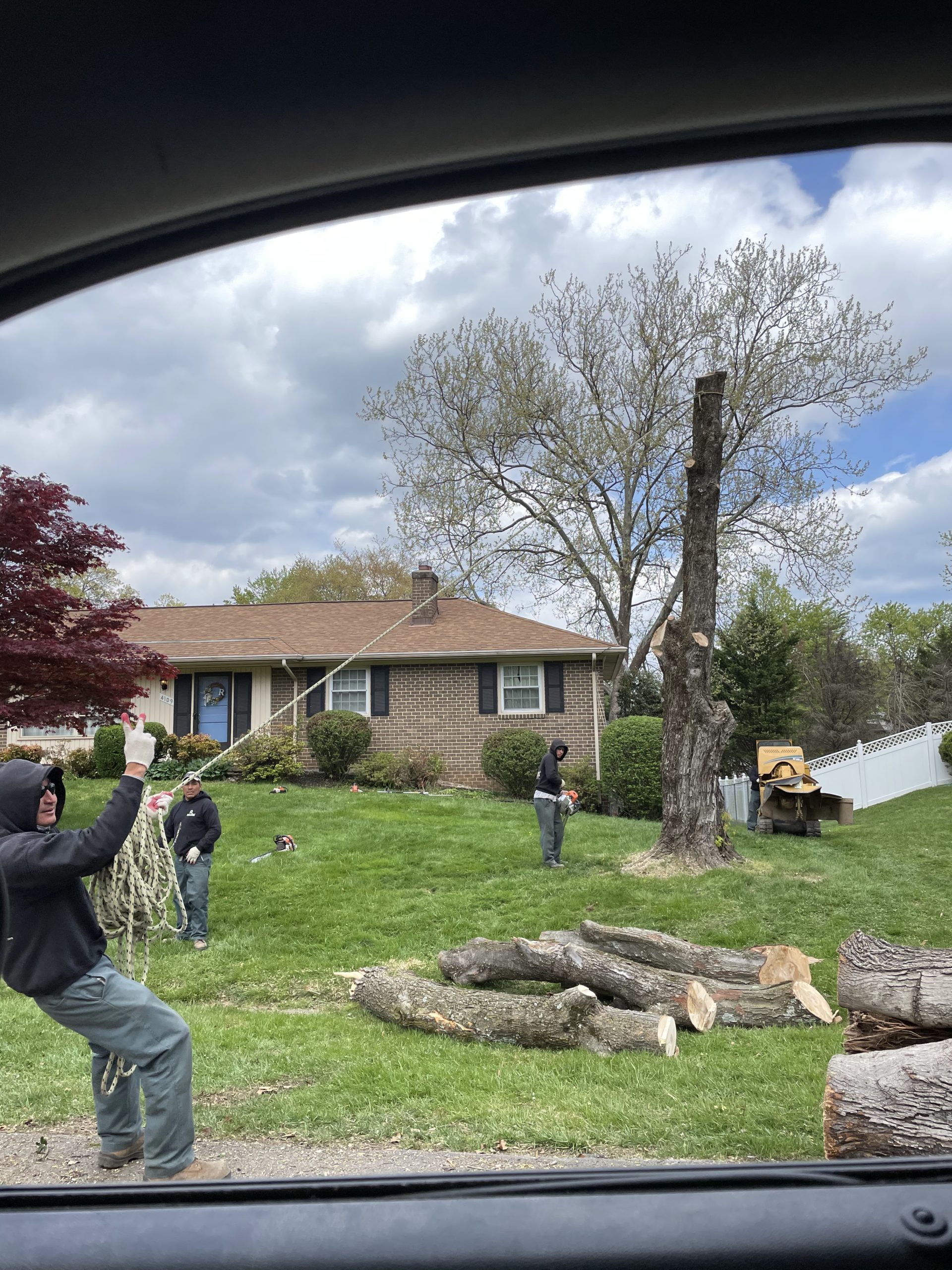
Believe it or not, cutting down a tree is not like trimming your bangs. Trees are big, heavy, and unpredictable. Even medium sized trees can weigh thousands of pounds. Without proper training and equipment, amateur tree removal can lead to serious injuries, property damage, or both.
Professional arborists know how to assess a tree’s structure, how it might fall, and how to create a safe plan. They have helmets, protective gear, ropes, rigging systems, and experience that most yard warriors lack. Plus, they know how to handle the aftermath, including cleanup, stump grinding, and even advising on what to plant next.
Trying to remove a tree without understanding its weight distribution or rot patterns is like handling fireworks without reading the safety guide. It might work, or it might end with a trip to the emergency room and a bigger bill than you expected.
How Rock Creek Can Help You Decide and Act
If you are staring at a tree in your yard wondering whether it’s time to take action, Rock Creek Tree, Turf & Landscape can help. Our certified arborists offer free tree inspections. That means we come out, take a close look at your tree’s health and stability, and tell you honestly whether it should stay, be trimmed, or come down.
We also work with your insurance if storm damage or other issues are involved, so you are not stuck trying to figure it all out alone. Rock Creek helps you with the assessment, the plan, and the execution, so your home, yard, and peace of mind are protected.
Trees are awesome. Knowing when it’s time to retire is part of being a responsible homeowner. Let Rock Creek make that decision and the process simple for you.
